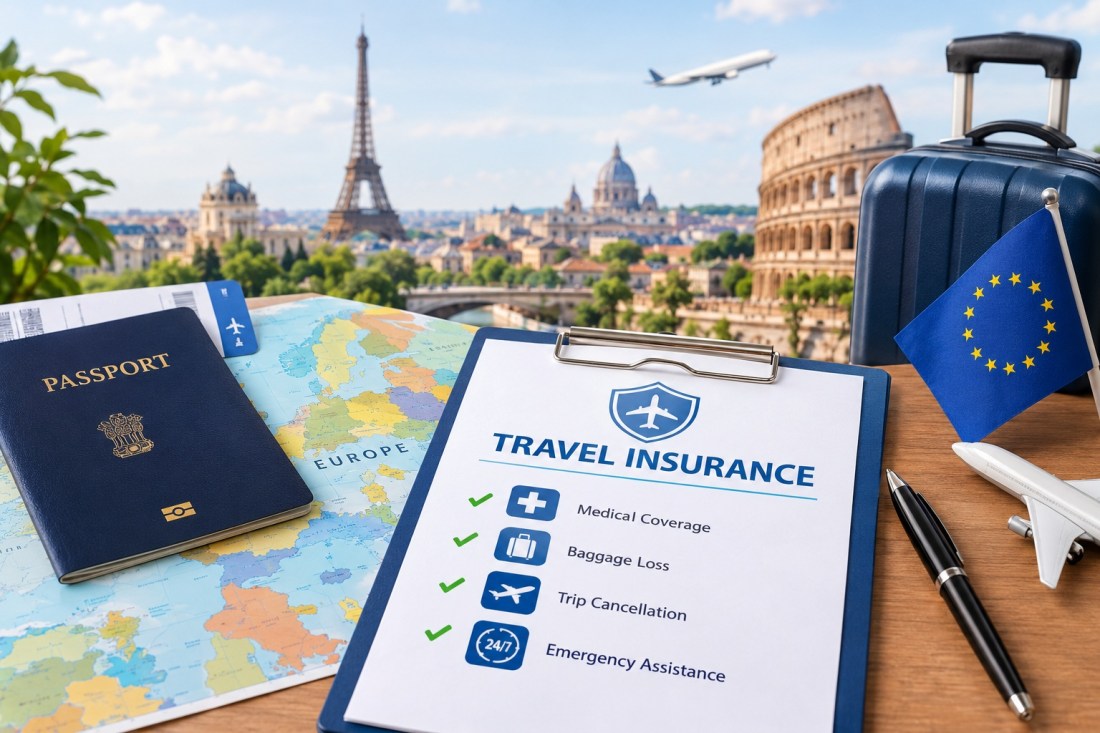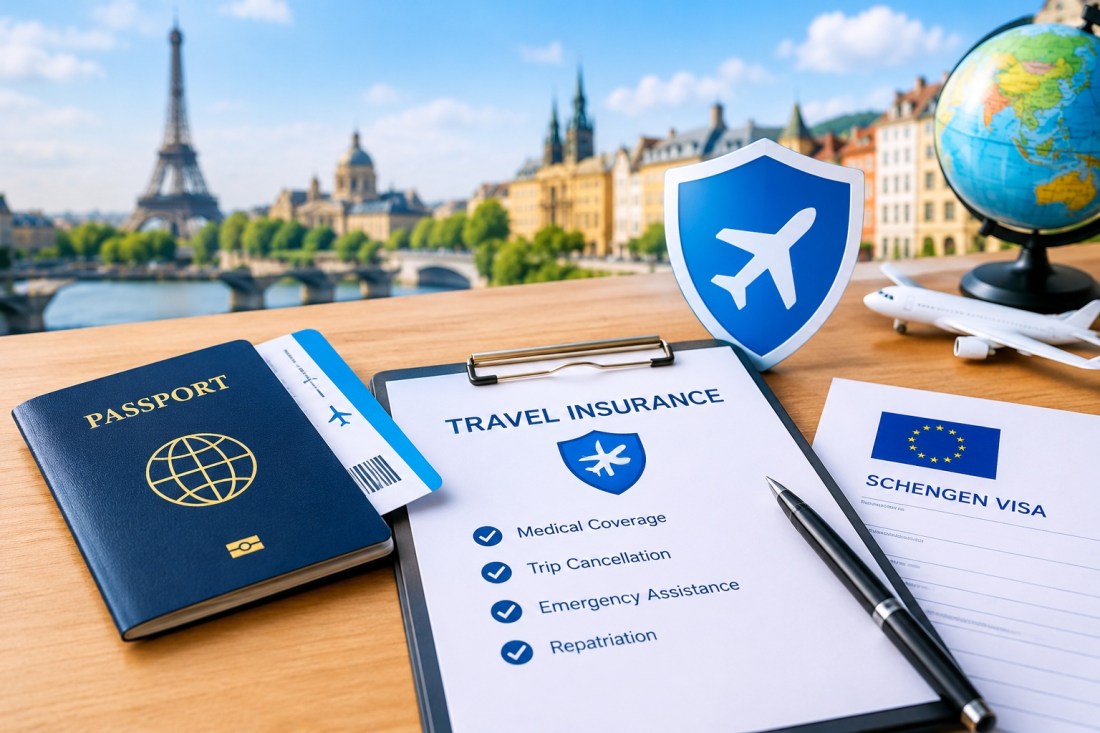
Getting travel insurance before applying for a Schengen visa is an important step in preparing your visa application. Travel medical insurance is generally mandatory for applicants seeking a short-stay Schengen visa, as it helps cover eligible medical emergencies during their trip to Europe. Having a suitable policy also helps you prepare the required supporting documents for your visa application.
A valid travel insurance policy must generally provide at least €30,000 in medical coverage, be valid throughout the Schengen Area, and cover the entire intended stay. The policy must include emergency medical expenses, hospitalisation, and medical repatriation, including repatriation in the event of death.
Benefits of Getting Travel Insurance Before Applying for a Schengen Visa
Purchasing travel insurance in advance offers several important benefits:
Meets visa requirements: A compliant insurance policy helps you fulfil the travel medical insurance requirement for a short-stay Schengen visa.
Provides financial protection: It can cover eligible emergency medical expenses and hospitalisation, subject to the policy’s terms and exclusions.
Covers medical emergencies: Depending on the policy, it may include emergency medical evacuation and repatriation.
Helps prepare your documents: Buying insurance before submitting your application gives you time to verify the insurance certificate and correct any errors.
Offers additional travel benefits: Some policies provide coverage for trip cancellation, travel delays, and baggage loss, depending on the selected plan.
How Can You Get Valid Travel Insurance for a Schengen Visa?
You can obtain travel insurance through a reputable insurance company or a trusted visa-support service, such as Schengen Visa Itinerary. Before purchasing a policy, ensure that the coverage meets the relevant embassy or consulate’s requirements and that the insurance certificate contains accurate personal details and travel dates.
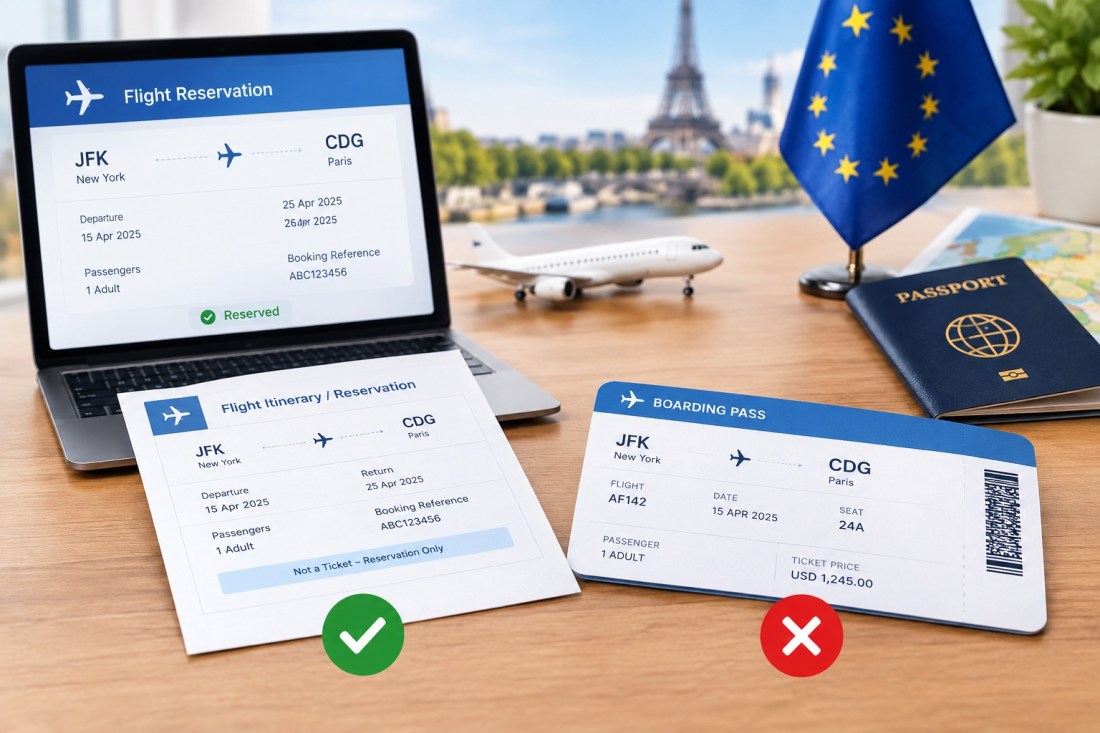
Schengen Visa Itinerary also offers comprehensive support for various visa requirements, including flight itineraries, hotel reservations, and free consultations via email. Its services are affordable and reliable and have received consistently positive feedback from many users.
It is also important to review the policy’s coverage limits, exclusions, and validity period. Ensure that your insurance dates match your intended travel itinerary and that the policy provides coverage throughout the Schengen Area.
Conclusion
Getting travel insurance before applying for a Schengen visa helps you prepare the necessary supporting documents and protect yourself against eligible medical emergencies during your European trip. Choosing a genuine, verifiable policy that meets Schengen requirements can help you submit a more complete visa application.
If you have any questions or need further assistance, please feel free to contact our experienced visa support professionals. We are here to provide reliable guidance and support throughout your visa application process.